
Keeping Girls in School: Celebrating the International Day of the Girl in Narok County
When girls are supported by their families, schools, and communities, they have a better chance of staying in school, overcoming challenges, and achieving their dreams.
Third term is always a busy time for the schools we work with. It is shorter than the other terms, and with end-of-year examinations approaching for Grade 6 and Grade 9 learners, there is a lot of preparation to be done.
But amid the busy school calendar, there was an important occasion we could not let pass without recognition: the International Day of the Girl, celebrated every year on October 11.
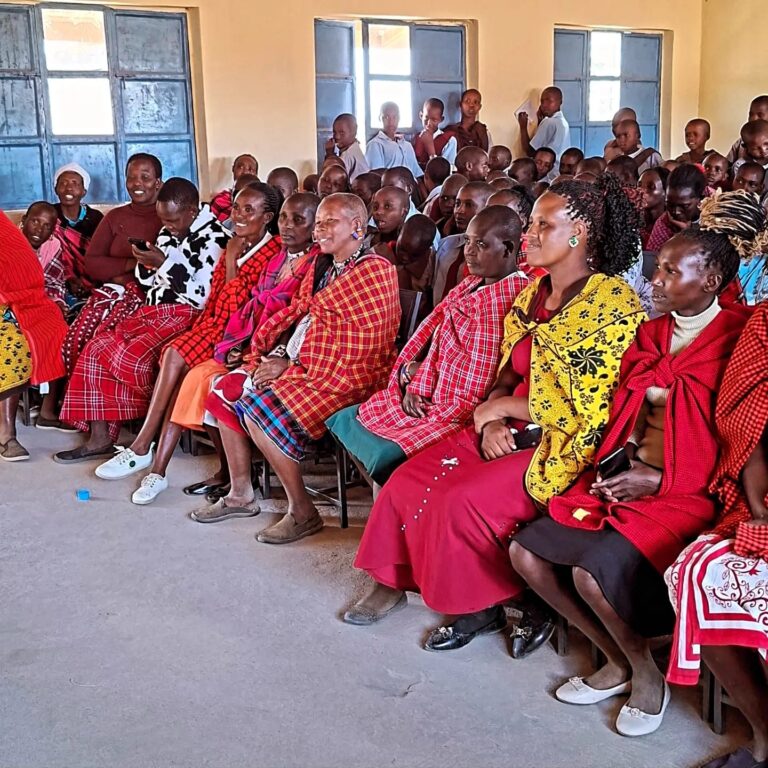
This year, Nayiari Community Initiative celebrated the day at Oldonyio Orasha Comprehensive School in Narok County. Guided by the theme “End Child Marriage, Invest in Girls’ Rights,” we brought together girls and their mothers for a day of reflection, learning, and meaningful conversations about the challenges girls face and the support they need to thrive.
The Challenges That Keep Girls Out of School
For many girls in Narok County, staying in school is not always easy. Child marriage, female genital mutilation (FGM), household responsibilities, and limited access to essential facilities continue to create barriers to their education.
Reported prevalence figures of 43.3% for teenage pregnancies and 51% for FGM in Narok County illustrate the scale of these challenges. These harmful practices violate girls’ rights and can disrupt their education, limiting their opportunities to build independent and fulfilling futures.
We had a discussion about trusted adults whom girls can approach to report cases of FGM or forced marriage. Fortunately, one of the women, King’asunye, a village elder, said that the girls could come to her and that she was there to protect them.
At Nayiari, we believe every girl deserves the opportunity to complete her education, make informed decisions about her life, and pursue her ambitions without fear or discrimination. However, achieving this requires more than encouraging girls to work hard in school. It also means addressing the social and family challenges that affect their ability to learn and succeed.
When Mothers and Daughters Find Their Voices
One of the most meaningful parts of our celebration was a mother-daughter forum that created space for honest conversations between girls and their mothers.
The girls spoke about the support they need at home, the challenges they experience, and what they have learned through our sexual and reproductive health programme. Their reflections showed the importance of giving girls accurate information and creating safe spaces where they can ask questions, express themselves, and talk about issues affecting their lives.
The mothers also shared their own experiences growing up, including the challenges they faced as girls who did not have the opportunity to attend school.
Listening to their stories was a powerful reminder of how circumstances can shape a girl’s future. Many mothers expressed their willingness to support their daughters and help them access opportunities that were not available to them.
These conversations helped both generations better understand each other. They also highlighted the important role mothers play in encouraging girls to remain in school, supporting their well-being, and helping them navigate the challenges of adolescence.
When mothers and daughters can speak openly, families have a stronger foundation for supporting girls’ education and protecting their rights.
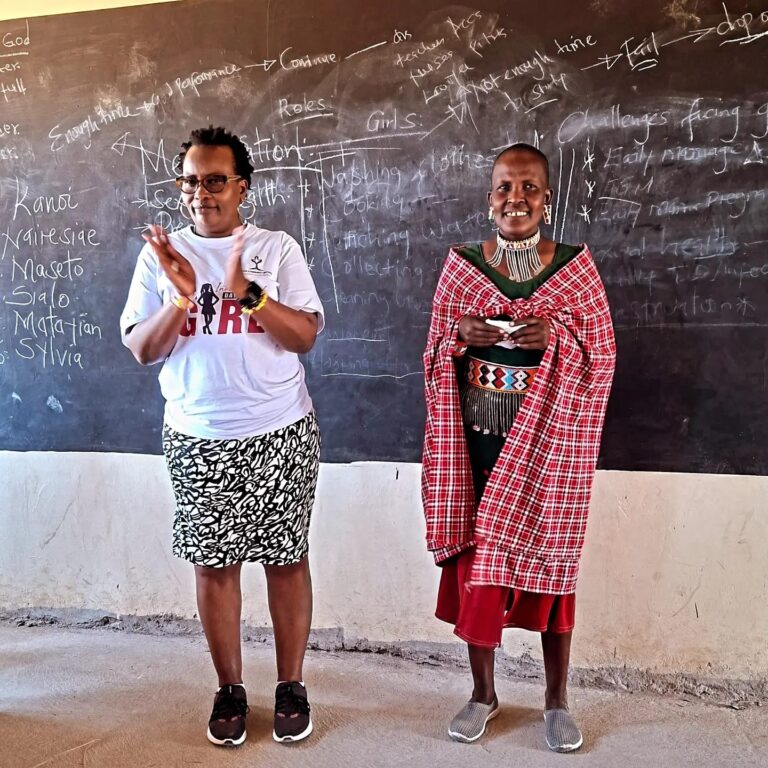
The Burden of Household Responsibilities
Another important issue that emerged during our discussions was the amount of work girls are expected to do at home.
In many households, girls take on significant responsibilities, including fetching water, preparing meals, caring for younger siblings, and completing other domestic chores. While these responsibilities are part of family life, an unequal burden can leave girls with little time to study, complete homework, or rest.
We discussed how these expectations can affect girls’ concentration, academic performance, and overall school experience. The conversation challenged families to reflect on how household responsibilities are shared and how they can create more supportive environments for their daughters.
Keeping girls in school is not only about what happens in the classroom. It is also about what happens at home. When families recognise the value of girls’ education and share responsibilities more fairly, girls have a better chance of reaching their academic potential.
One of the mothers, Kinyikita, said:
“We understand that our daughters need to study, but they also have to contribute to household chores… or does it mean that we should not assign any chores to them at all?”
This prompted a broader discussion, and an understanding was reached.
Menstrual Health and Hygiene: A Matter of Dignity
Menstrual health and hygiene was another key topic during the forum.
Girls spoke about the challenges they face in managing their periods, including limited access to sanitary pads, clean water, and adequate toilet facilities. These are essential needs, yet their absence can make learning difficult for girls. Without the necessary supplies and facilities, managing menstruation can become a source of discomfort, anxiety, and missed learning opportunities.
At Nayiari, we recognise that supporting girls’ education requires attention to these everyday realities. Girls need more than access to a classroom; they need an environment where they can learn with dignity, confidence, and comfort.
Every Girl Deserves a Second Chance
Despite the challenges they have faced, girls continue to demonstrate resilience and determination.
This year, some of our schoolgirls got pregnant, disrupting their education and placing their future plans at risk. Encouragingly, most of them have returned to school and are working towards completing their education. Their journeys remind us that a setback should not mean the end of a girl’s dreams.
With understanding, encouragement, and the right support, girls can overcome difficult circumstances and continue pursuing their ambitions. Families, schools, and communities all have a role to play in ensuring that girls who get pregnant or face other challenges are not excluded from education.
Every girl deserves an opportunity to learn, rebuild her confidence, and shape her own future.
Encouraging Learners to Finish Strong
As the day drew to a close, we met with Grade 6 and Grade 9 learners who were preparing for their end-of-year examinations.
We encouraged them to remain focused, believe in their abilities, and do their best in the examinations ahead. We know that academic success depends on more than individual effort. It is also shaped by the support learners receive from their families, teachers, and communities.
For the girls we work with, the opportunity to complete their education can open doors to possibilities that may once have seemed out of reach. Their dreams deserve to be taken seriously, and their efforts deserve to be supported.
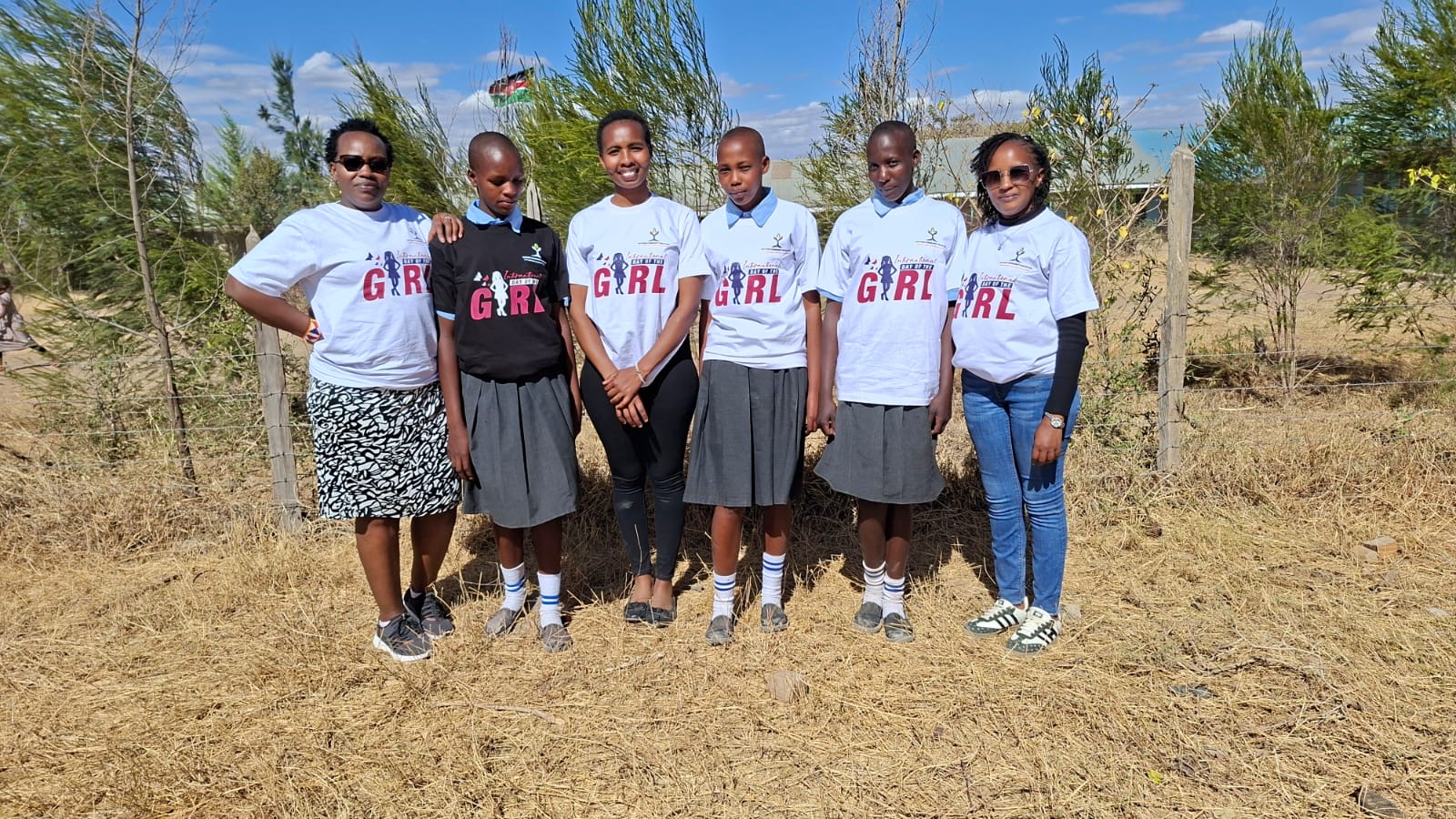
Investing in Girls Means Investing in the Future
Our celebration of the International Day of the Girl at Oldonyio Orasha Comprehensive School was more than a commemorative event. It was an opportunity to listen to girls, learn from mothers, and reflect on the changes needed to help girls stay in school.
The discussions reminded us that keeping girls in school requires a collective effort. Mothers and fathers, teachers, community leaders, schools, and organisations all have a part to play in challenging harmful practices, addressing barriers to education, and creating environments where girls can thrive.
At Nayiari Community Initiative, we remain committed to supporting girls through education, sexual and reproductive health education, and community engagement.
We believe that every girl should have the freedom to learn, the confidence to speak up, and the opportunity to pursue her dreams. When we invest in girls’ rights, we invest in their education, their choices, and their future.
Together, we can build a future where no girl has to give up her education because of child marriage, harmful practices, or circumstances beyond her control.


